
How Kado Bar Vape Mastered the Leak-Proof Design
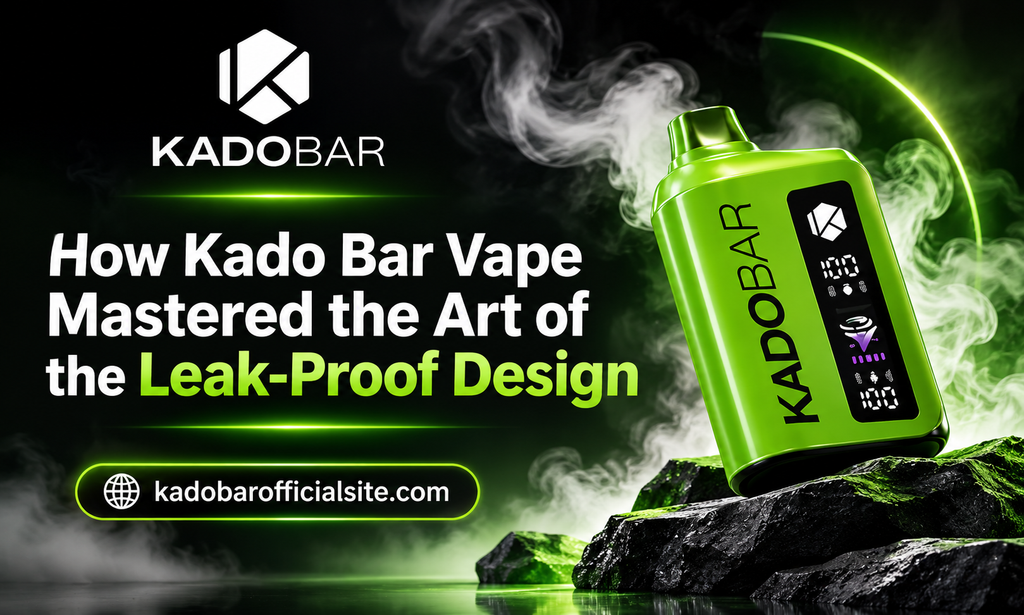
Table of Contents
- Why Standard Disposable Vapes Leak
- Multi-Layered Silicone Seals and Internal Gaskets
- High-Density Cotton Wicking Architecture
- Balanced Airflow Channels and Pressure Regulation
- Managing Condensation Inside the Chimney
- How Leak Prevention Protects Flavor Purity
- Impact-Resistant Outer Shells and Seam Sealing
- Simple Habits to Keep Your Device Completely Dry
- Frequently Asked Questions
How Kado Bar Vape Mastered the Art of the Leak-Proof Design
Few things frustrate vapers faster than pulling a device out of a pocket only to find sticky e-liquid on their fingers, inside their bag, or clogging the mouthpiece. For years, leaking was treated as an unavoidable side effect of carrying prefilled hardware. When e-liquid escapes its reservoir, you lose paid puff capacity, risk damaging the internal battery, and end up with gurgling, spit-back hits instead of clean vapor.
Picking up a modern Kado Bar Vape shows how much internal hardware engineering has improved to stop these messes before they start. Rather than relying on a single rubber plug to hold back 14mL to 25mL of liquid, recent designs combine precision silicone gaskets, calibrated wicking density, and isolated airflow paths to keep every drop sealed inside the heating chamber.
Why Standard Disposable Vapes Leak
To understand how leak-proof engineering works, it helps to look at why older disposables failed in the first place. E-liquid rarely leaks because a plastic shell cracks; it leaks due to internal physics and everyday environmental shifts.
- Air Pressure Shifts: Moving from a warm room into cold outdoor air—or changing altitude while driving or flying—causes trapped air inside the tank to expand and push liquid out through the air intake.
- Temperature Thinning: Warm temperatures lower the viscosity of vegetable glycerin and propylene glycol, making the liquid thin enough to slip past loose seals.
- Wicking Saturation Imbalance: If the cotton surrounding the coil is packed too loosely, gravity pulls excess liquid down into the bottom airflow sensor while the device sits idle.
Multi-Layered Silicone Seals and Internal Gaskets
The primary defense against seepage in a Kado Bar Disposable Vape is a multi-tiered sealing system built around the e-liquid reservoir and coil housing. Instead of leaving the battery, circuit board, and liquid chamber inside one shared hollow tube, engineers isolate each section using food-grade silicone barriers.
Top and bottom silicone stoppers lock tightly against the inner walls of the tank, creating an airtight seal that prevents liquid from migrating downward toward the lithium-ion cell or USB Type-C charging port. Even when the device is tossed into a backpack or laid horizontally on a desk, those compression gaskets maintain steady pressure against the reservoir walls.
High-Density Cotton Wicking Architecture
Even the strongest outer seals cannot prevent flooding if e-liquid pours freely through the center of the heating core. Controlling liquid flow right at the coil requires precise cotton density.
- Calibrated Absorption: High-density organic cotton holds e-liquid in suspension against the dual or triple mesh strips without letting excess liquid drip into the central airway.
- Steady Capillary Action: As the mesh coil vaporizes liquid during a puff, the cotton draws in just enough fresh liquid from the main reservoir to replace what was used, avoiding dry spots and flooding alike.
- Thermal Stability: Mesh heating elements warm the liquid evenly across a broad surface area, preventing localized boiling that causes hot droplets to pop up through the mouthpiece.
Balanced Airflow Channels and Pressure Regulation
A vape tank needs outside air to enter as e-liquid is consumed; otherwise, a vacuum forms inside the reservoir and blocks liquid from reaching the wick. However, an open air hole can easily become an exit path for liquid if it is not routed properly.
Kado Bar solves this with dedicated ventilation channels and isolated air tubes that run cleanly from the bottom intake past the coil to the mouthpiece. By regulating how air enters the chamber, internal tank pressure stays balanced across thousands of puffs, keeping e-liquid locked inside the wicking material even when you adjust the bottom airflow slider.
Managing Condensation Inside the Chimney
Not every drop of moisture near a mouthpiece is an actual tank leak. Every time warm vapor travels up the central airway and cools down, tiny droplets of condensation form along the inner walls. Over hundreds of puffs, uncollected condensation can pool and cause gurgling sounds.
To handle normal vapor condensation, internal chimneys feature grooved moisture-trapping pads and stepped airway walls. These internal catch points trap cooling droplets before they reach your lips or drip down onto the auto-draw sensor, keeping every inhale quiet and smooth.
How Leak Prevention Protects Flavor Purity
Leakage does more than create sticky hands—it directly ruins taste quality. When e-liquid floods the coil or mixes with stale condensation in the airway, the vapor turns harsh, muted, or overly sweet. Keeping the internal chamber sealed ensures that Kado Bar Vape Flavors stay clean and accurate from the first draw to the final puff.
Because the cotton wick remains properly saturated without drowning in excess liquid, fruit, mint, and sour profiles vaporize at their intended temperature. You get consistent note separation without sudden spit-back or burnt spots caused by pressure-induced dry hits.
Impact-Resistant Outer Shells and Seam Sealing
Everyday drops are one of the fastest ways to ruin a disposable vape’s internal alignment. If an outer casing flexes or splits along a seam after hitting a hard floor, air rushes into the tank and breaks the vacuum seal immediately.
Kado Bar constructs its outer frames with reinforced, impact-resistant polymers and ultrasonic-welded seams. Rounded edges and textured finishes absorb everyday bumps in pockets or bags, ensuring the internal tank housing stays aligned and tightly sealed throughout weeks of regular carry.
Simple Habits to Keep Your Device Completely Dry
While internal seals and high-density wicking do the heavy lifting, a few practical habits help your hardware stay dry in any environment:
- Avoid Extreme Heat: Never leave your device inside a parked car or direct sunlight, as high heat thins e-liquid and increases internal tank pressure.
- Store Upright When Possible: Standing your vape upright on a table keeps e-liquid settled around the bottom coil intakes rather than resting against top seals.
- Take Steady, Gentle Draws: Pulling aggressively on the mouthpiece creates excess vacuum pressure that can draw unvaporized liquid into the chimney.
- Wipe the Mouthpiece Weekly: A quick wipe inside the tip with a dry tissue removes normal condensation buildup before it accumulates.
Reliable leak protection turns a high-capacity disposable from a messy gamble into a dependable daily carry. If you want to pick up authentic, factory-sealed hardware engineered to stay dry in your pocket, checking local inventory for Kado Bar Vape Near Me at a licensed vape shop is the best way to get started.
Frequently Asked Questions
Why does my Kado Bar Vape sometimes gurgle slightly?
Light gurgling usually comes from normal vapor condensation inside the mouthpiece, not a tank leak. Gently wipe the tip with a tissue and take steady, moderate draws.
Can temperature changes make a Kado Bar Vape leak?
Extreme heat thins e-liquid and expands internal tank air. Keep your Kado Bar Vape away from hot cars or direct sunlight to preserve the internal silicone seals.